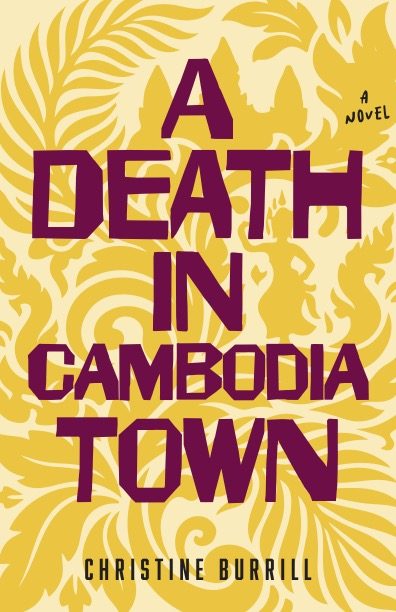
[ Book cover image goes here ]“In A Death in Cambodia Town, Christine Burrill perfectly demonstrates what I look for in every book I read – verisimilitude, a sense of reality that makes the story come to life.”
In pursuit of an elusive killer, rookie homicide detective Kat Hicks must coax secrets from LA’s Cambodian community—but a reckless affair with a female witness and her own war trauma threaten to derail her investigation.
In LA’s vibrant Cambodia Town, former marine and first-year homicide detective Kat Hicks investigates the brutal murder of a Cambodian American boy. The graffiti on-scene shouts gang murder, but Hicks, a contrarian by nature, is suspicious of pat answers––the boy was a dance student passionate about restoring the arts of his 1,000-year-old culture, and a sacred statue he had in his possession is missing.
Using a sixth sense born on the battlefield, Hicks burrows into the victim’s family’s secrets—including his mother’s shocking experiences in the killing fields of Cambodia—and soon gets plunged into a shadow world of antiquities dealers and international criminals so outrageous that her department dismisses her as unhinged. Already on shaky ground, when she engages in an explosive love affair with a female witness, she’s removed from the case . . .
Frustrated by the department’s refusal to believe her and tormented by her mistakes, Hicks goes rogue to catch the killer herself. From psychiatric facilities to cartel shoot-outs, she runs down every lead, no matter how unlikely, to a jaw-dropping finale—but ultimately, it’s her empathy and the bonds she forges with the Cambodian American community that solve the crime. In turn, these friendships help quiet the ghosts of her turbulent past.
Coming June 15, 2027 · She Writes Press
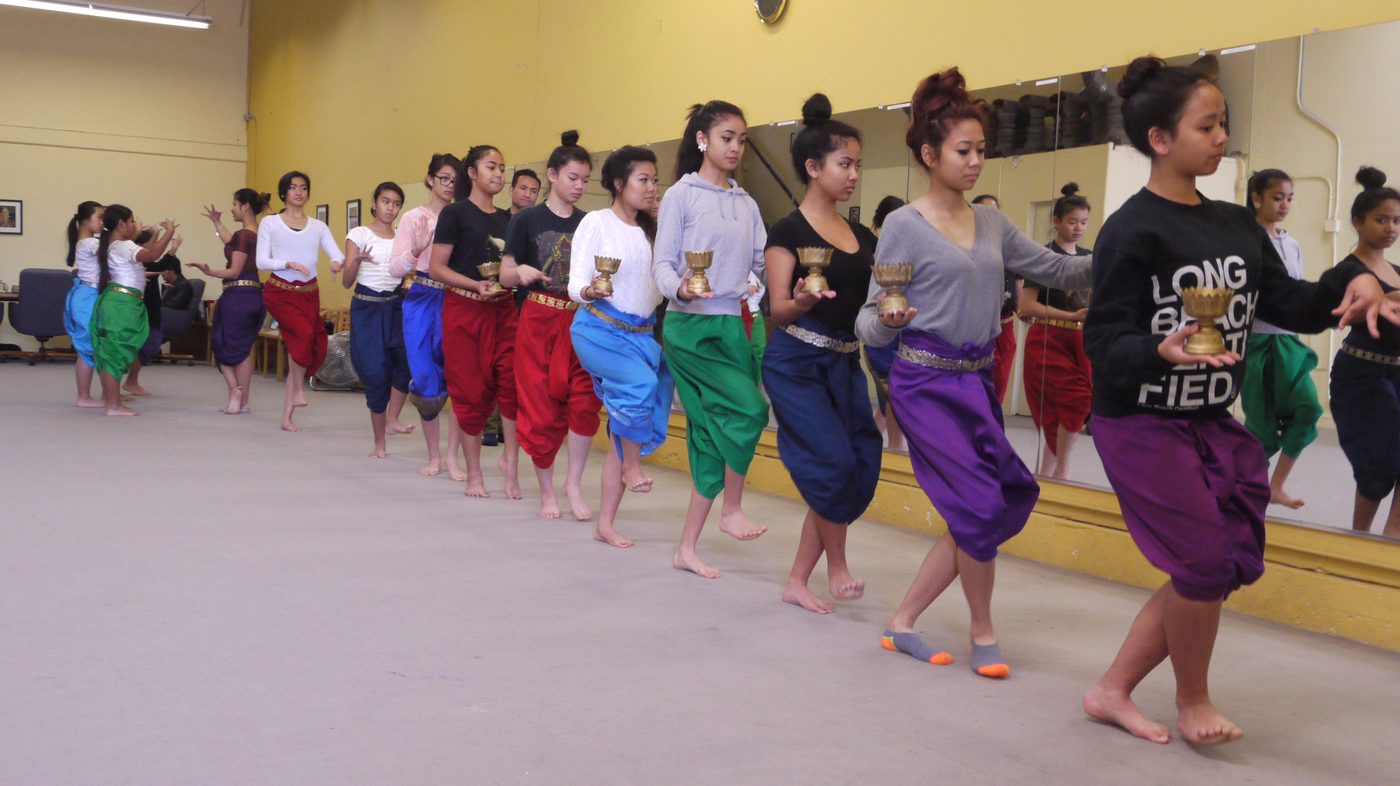
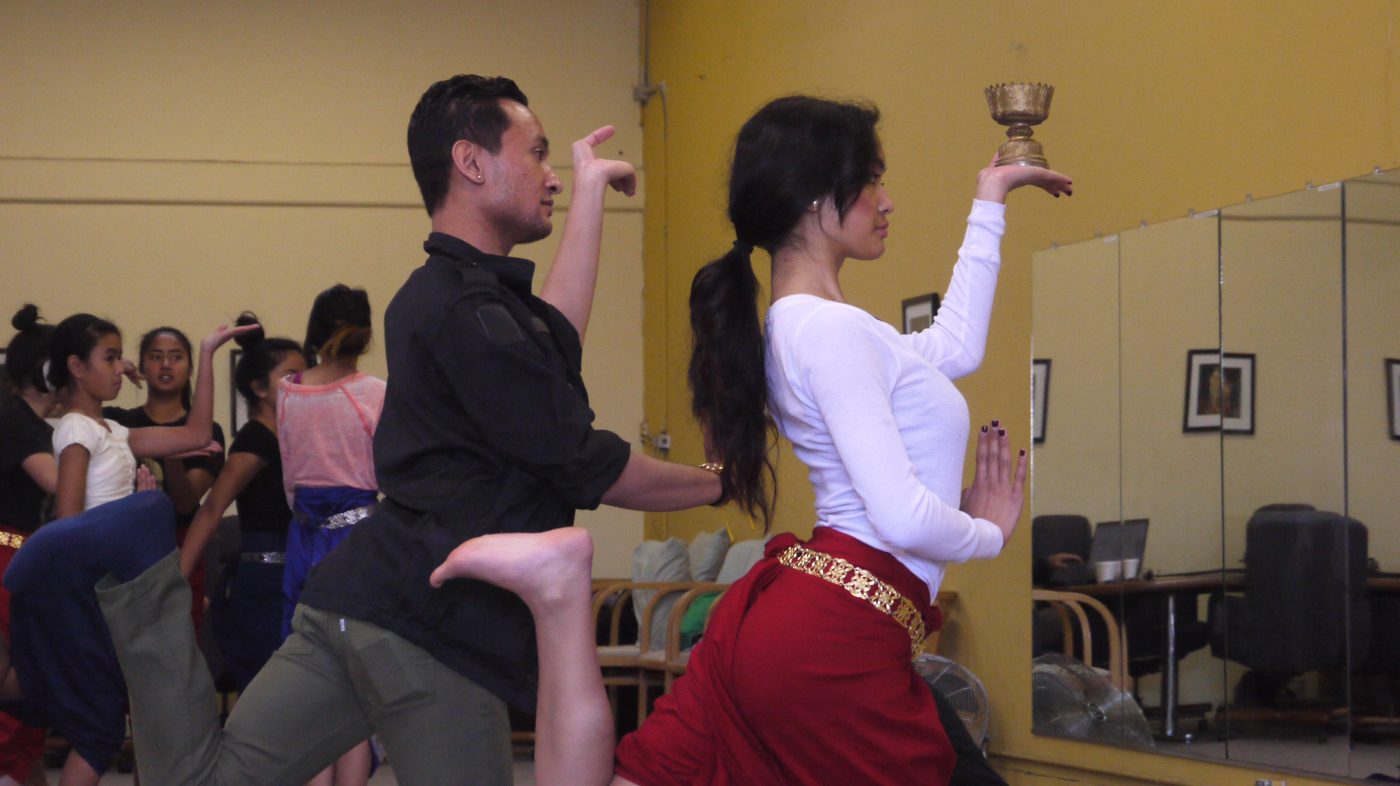
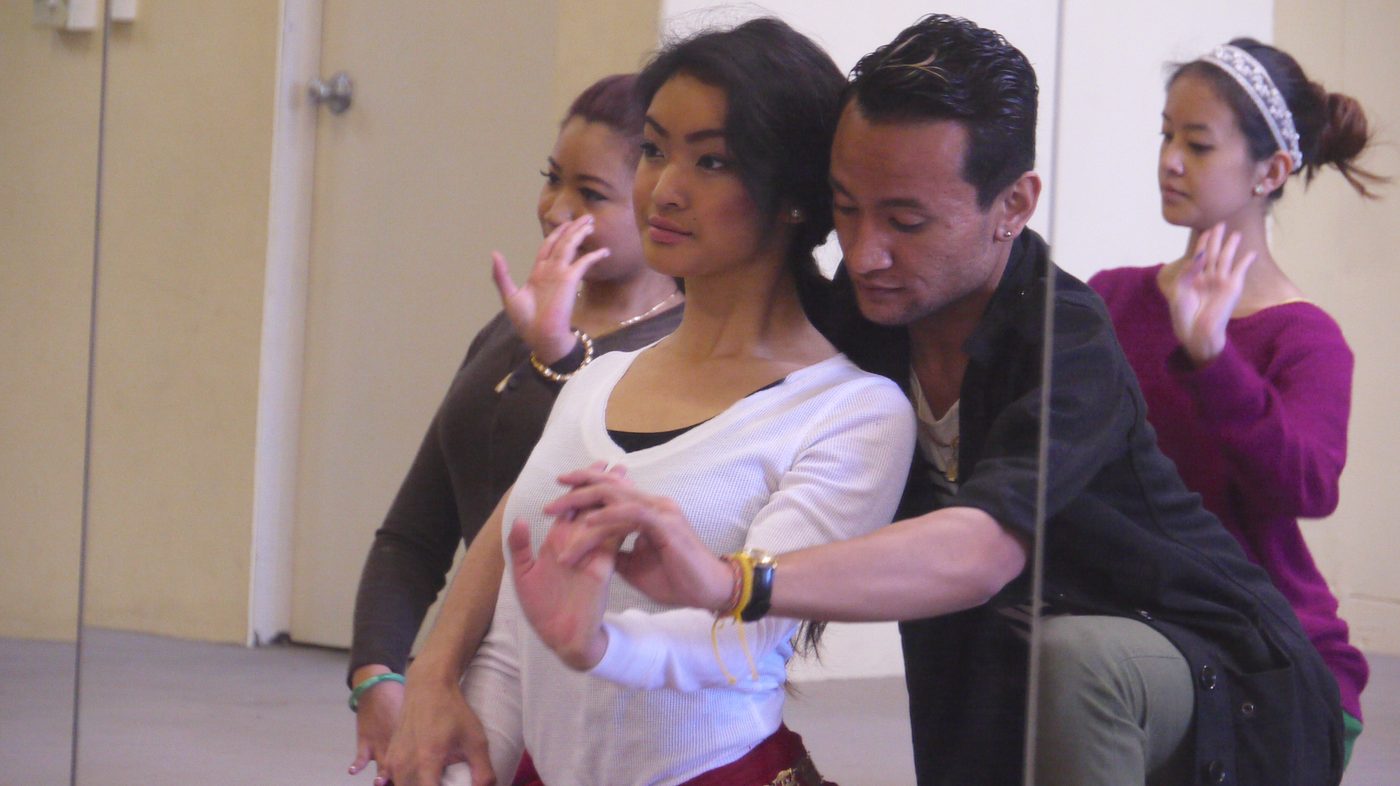
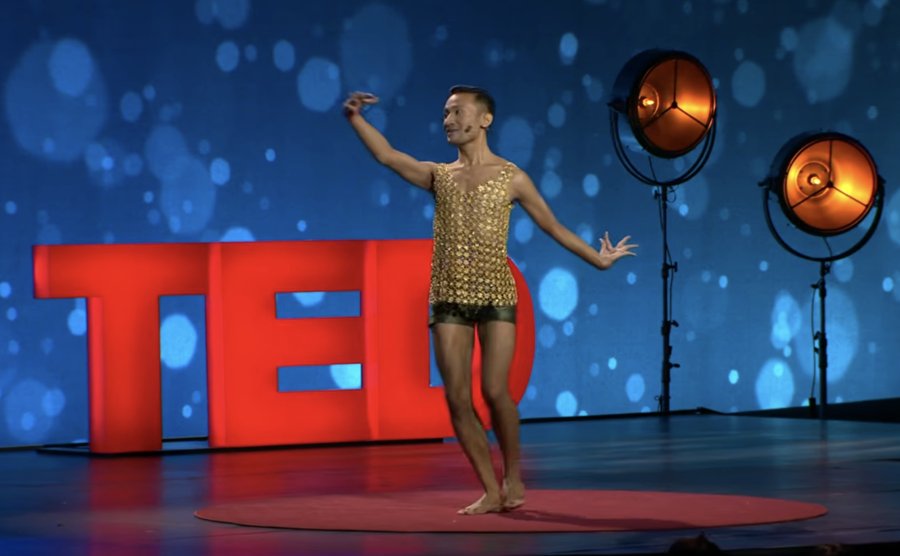
Prumsodun Ok speaks about the Magic of Khmer Classical Dance
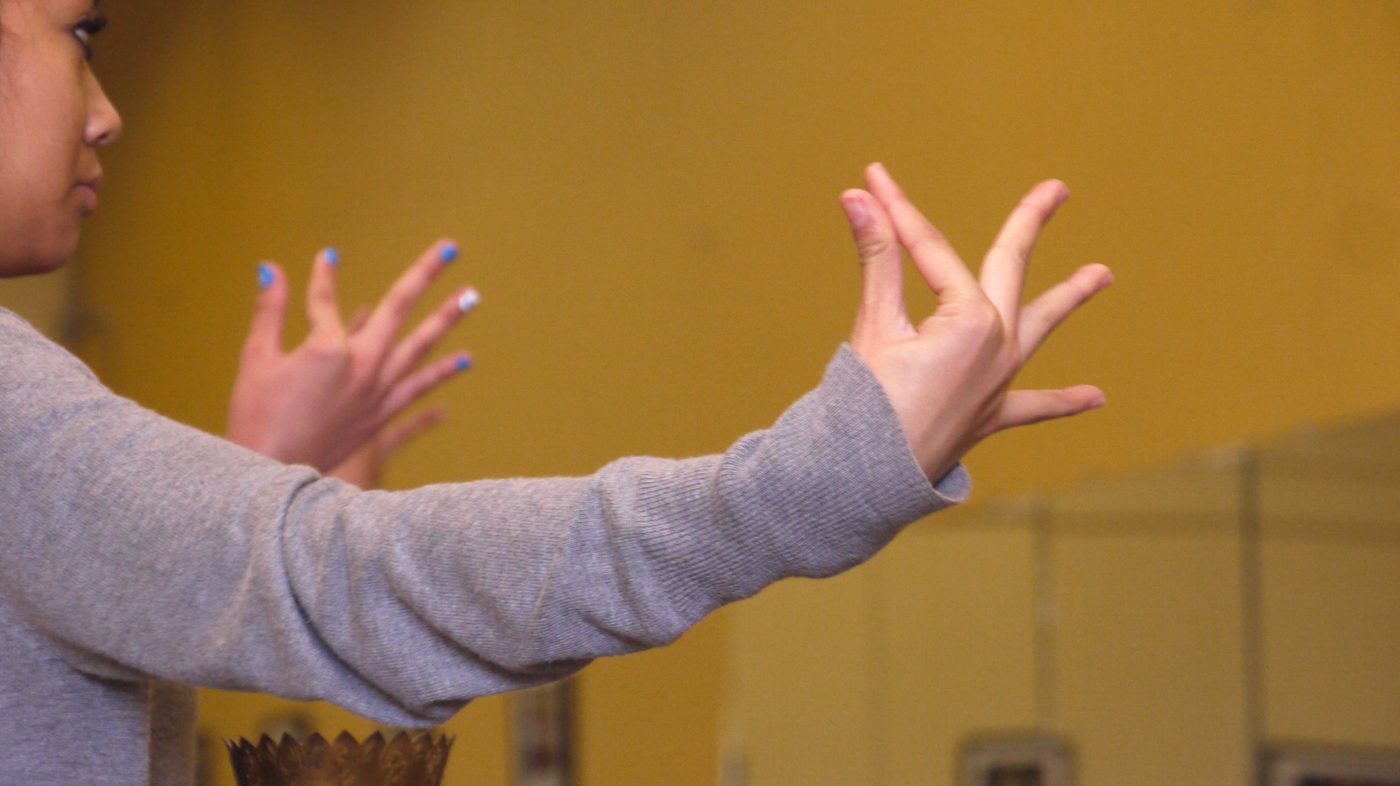
Between 1975–79, the Khmer Rouge murdered an estimated ninety percent of Cambodia’s artists and intellectuals. In Long Beach, California — home to the largest Cambodian community outside Cambodia — survivors and their children are rebuilding the ancient classical dance tradition.
In A Death in Cambodia Town, Detective Kat Hicks has to learn what happened to the victim’s mother during the years of the “Killing Fields” in order to solve the murder of a young Cambodian American dancer.
Nearly a third of Cambodia’s population, almost 2.5 million, was killed. The dictator Pol Pot, himself with a degree from the Sorbonne, targeted anyone with an education.
The U.S. opened the door to Pol Pot and his genocidal regime. America supported General Lon Nol over the more popular King Sihanouk, but it was the massive US bombing campaign, with more ordnance than the total dropped by the Allies in World War II, that led Cambodians to see the Khmer Rouge as their salvation.
Greeted as liberators when they entered Phnom Penh, the Khmer Rouge immediately launched their brutal campaign. They divided families and outlawed familial love, moved everyone into the countryside, eliminated all cultural traditions and creative expression, and made the entire population work grueling 18-hour days on a subsistence diet.
Many of the survivors live around us as neighbors.
For decades, sacred statues and temple carvings were looted from Cambodia and trafficked into the world's museums, auction houses, and private collections. What is the cost to the people whose heritage was stolen.
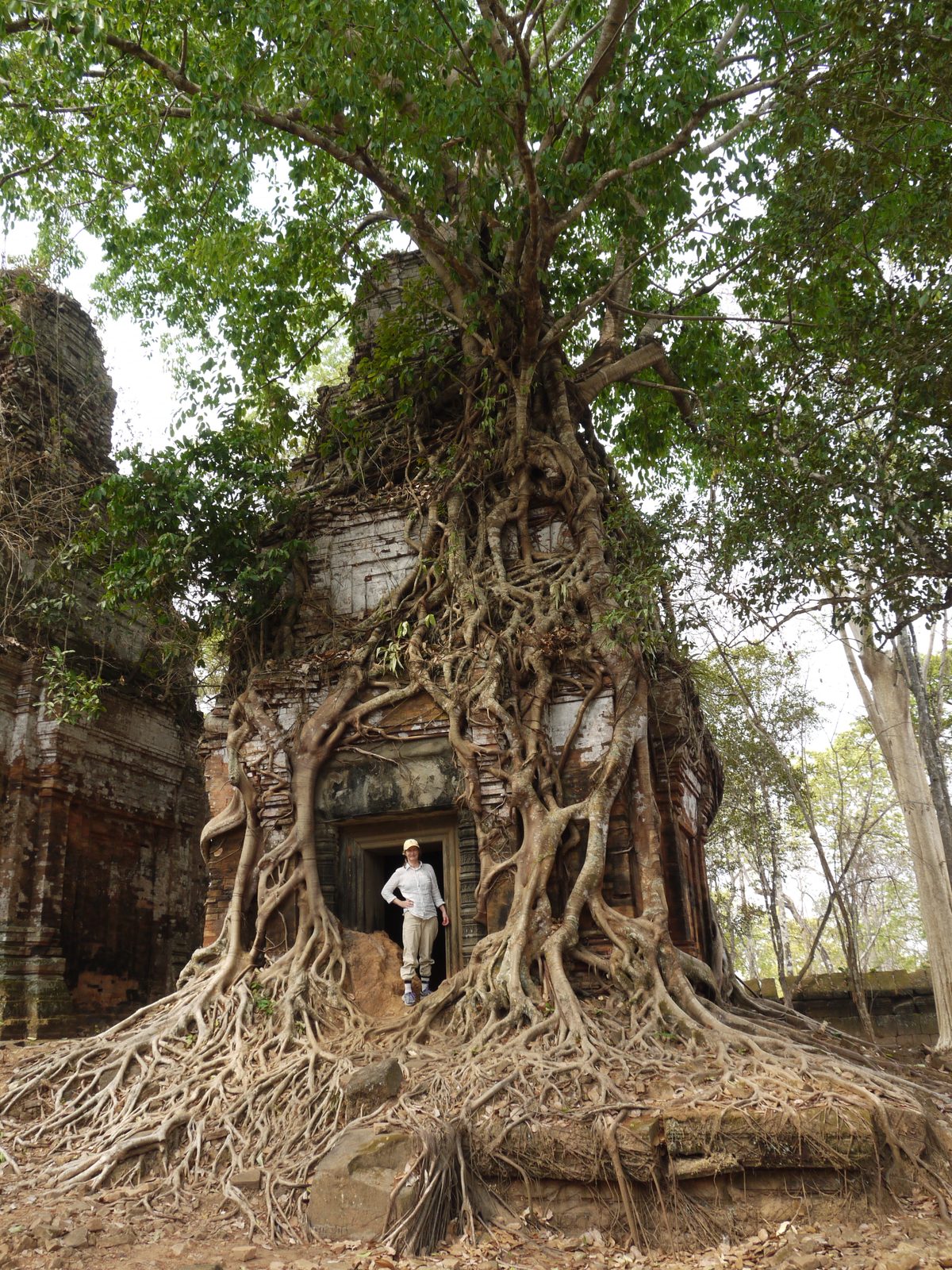
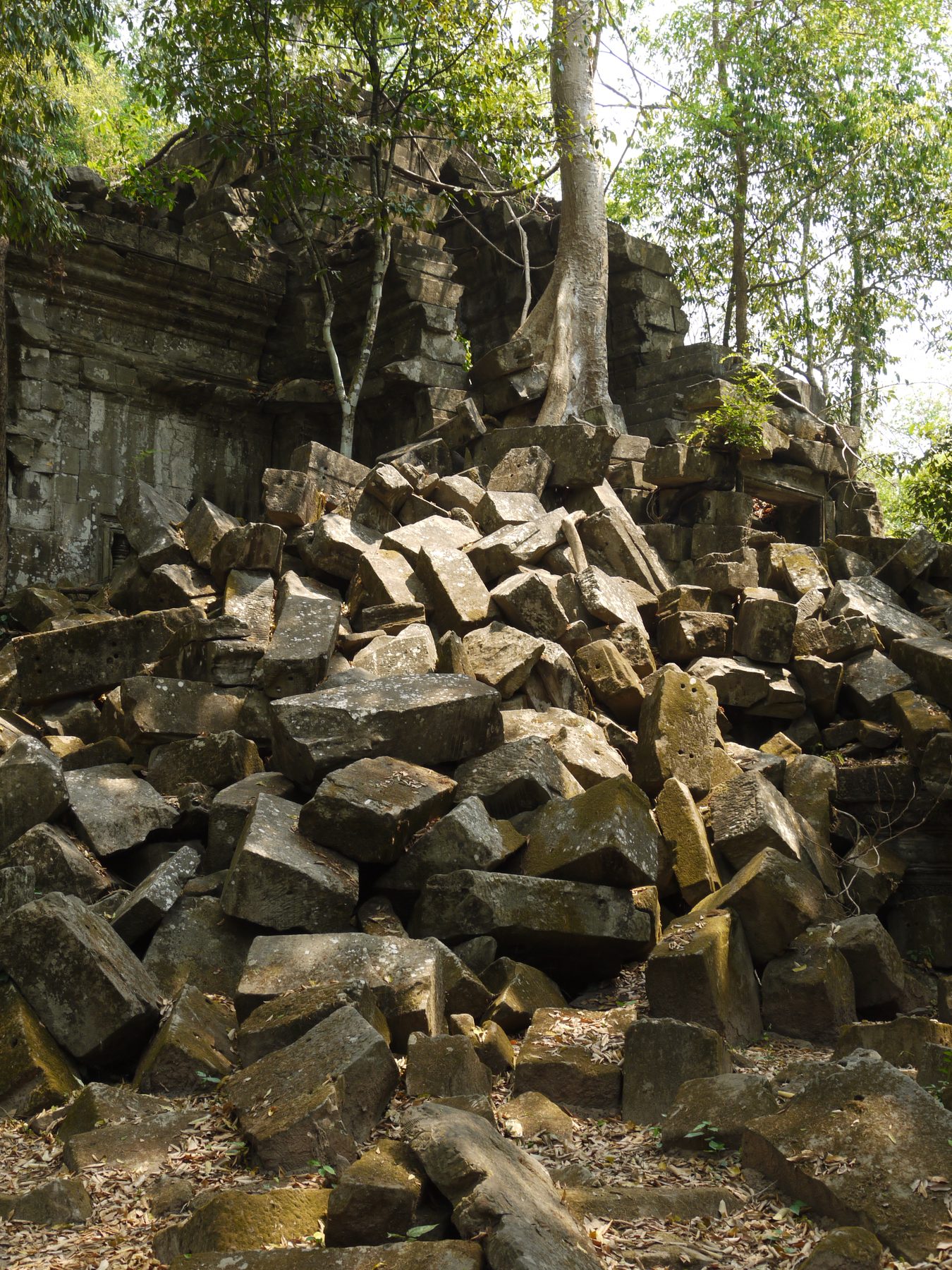
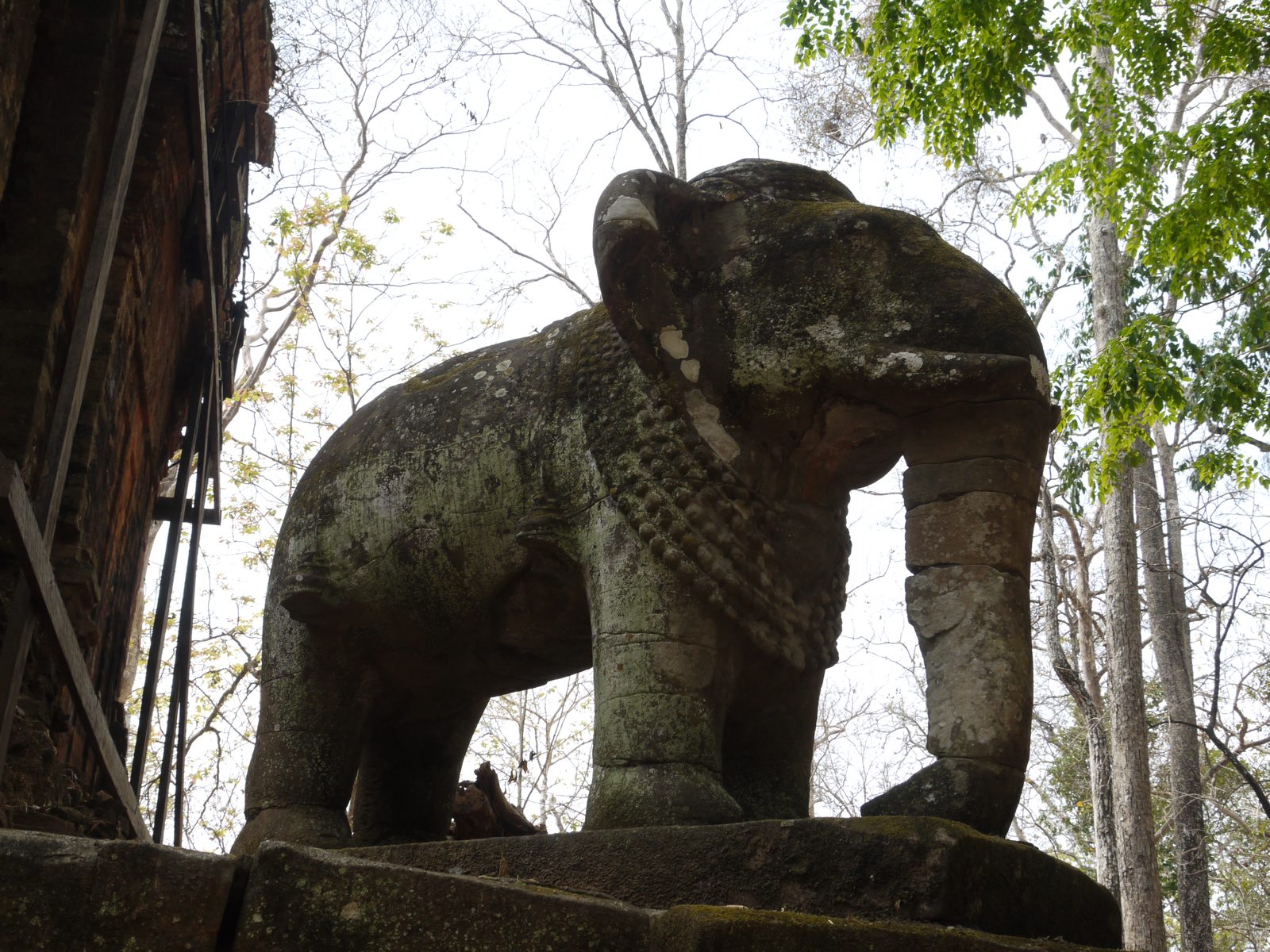
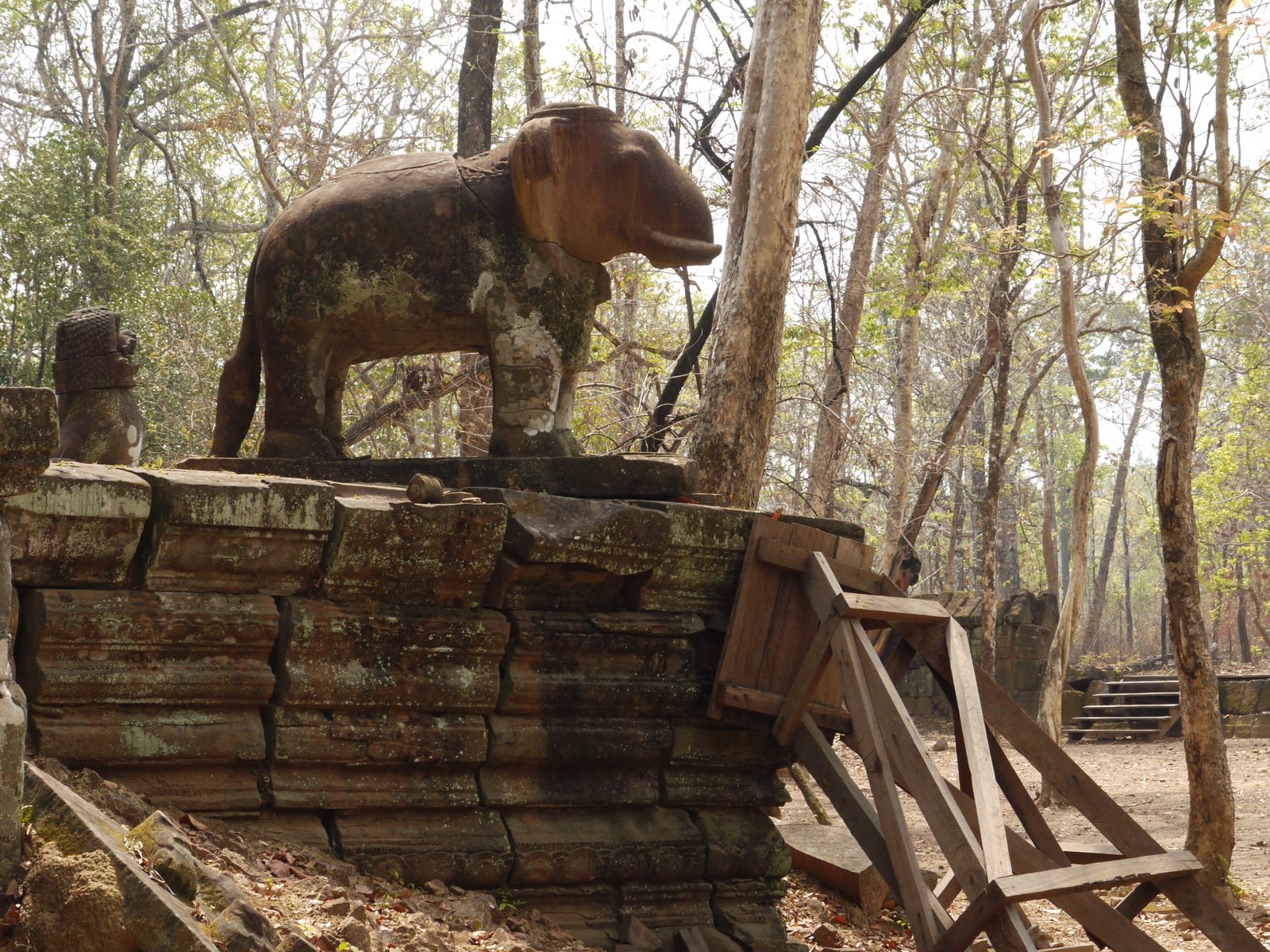
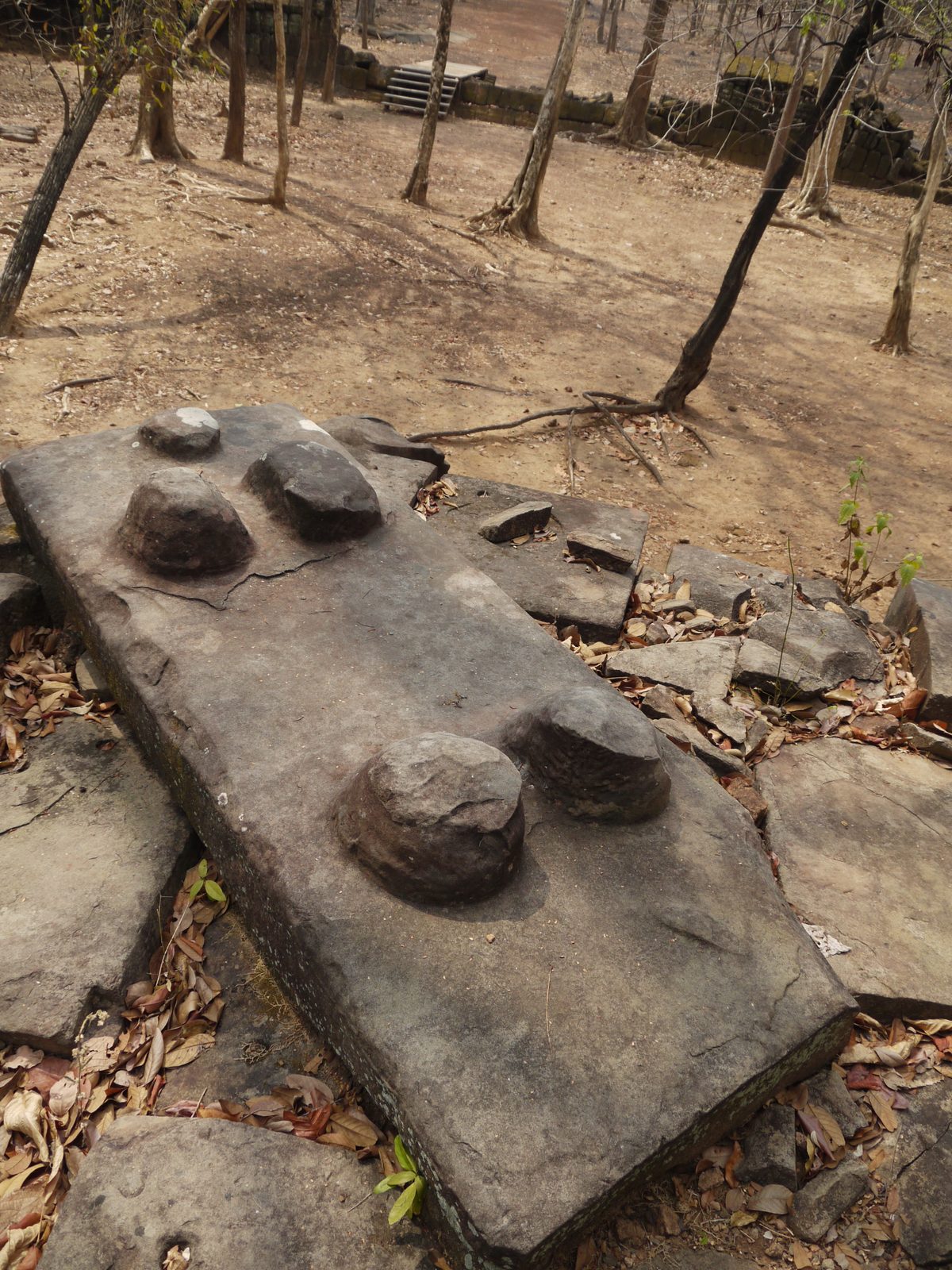
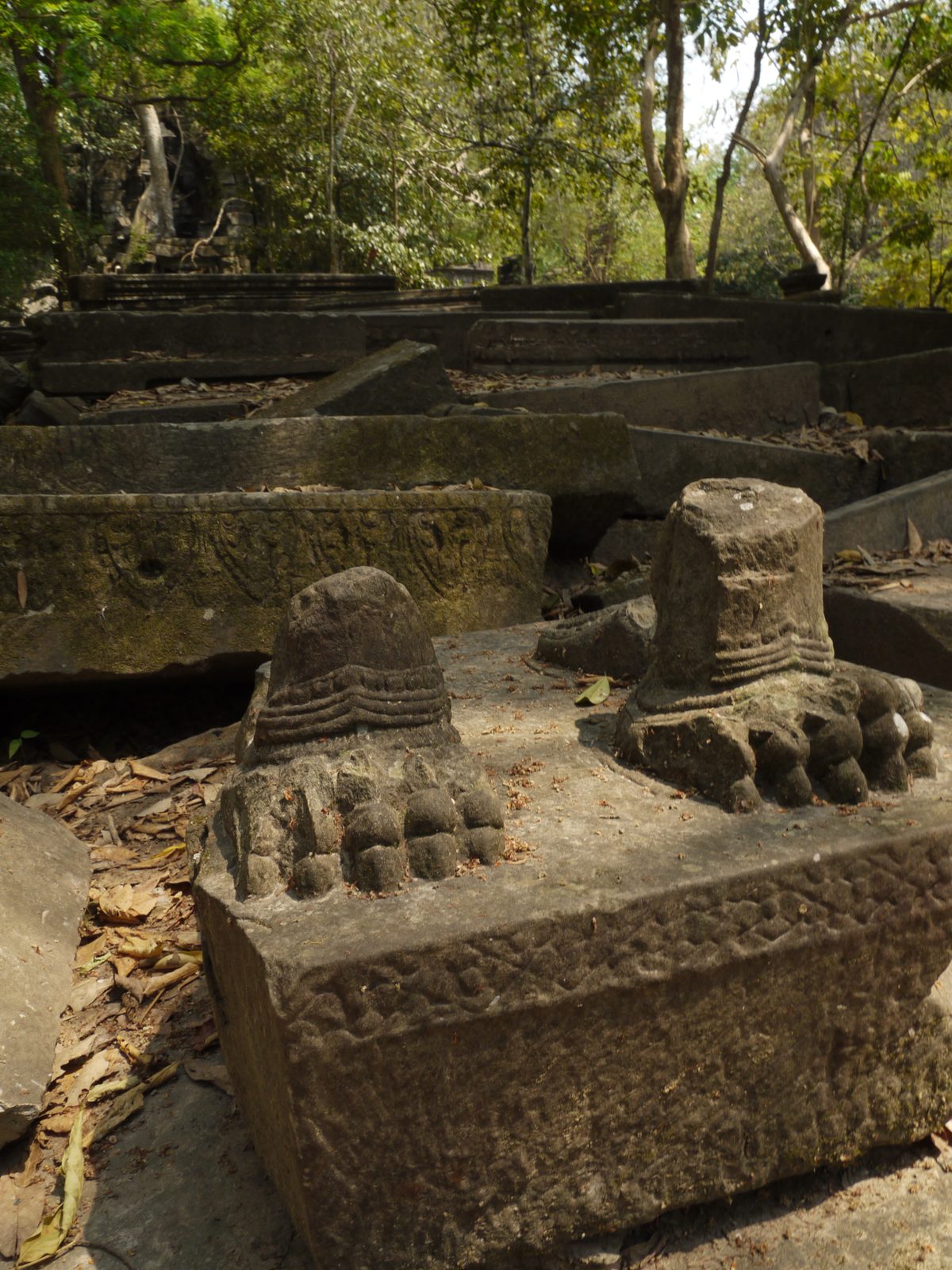
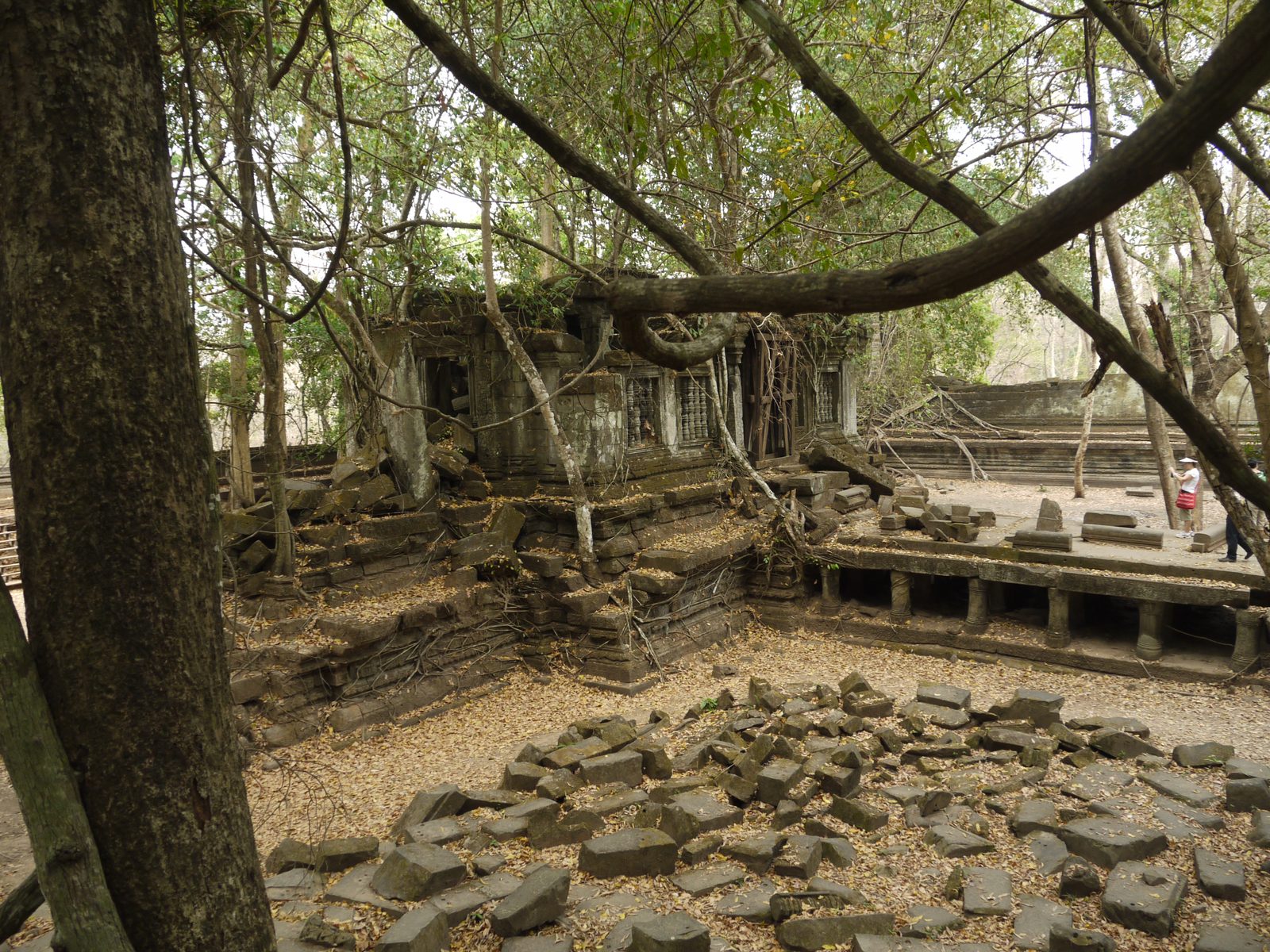
I visited Koh Ker in 2013 and became fascinated by this ancient world. It is from this site that many of the best pieces were stolen and put into the Metropolitan Museum in New York, the Norton Simon in Los Angeles, and many disappeared into private collections. Just recently, some of these masterpieces were identified as matching the hacked-off stumps I saw, and museums have been forced to repatriate some of their statues to the National Museum of Cambodia.
[Your text here.] A homicide detective who served in Desert Storm — and was discharged under Don't Ask, Don't Tell for being a lesbian. Her story carries the novel's questions about duty, betrayal by institutions, and what it means to keep serving anyway.
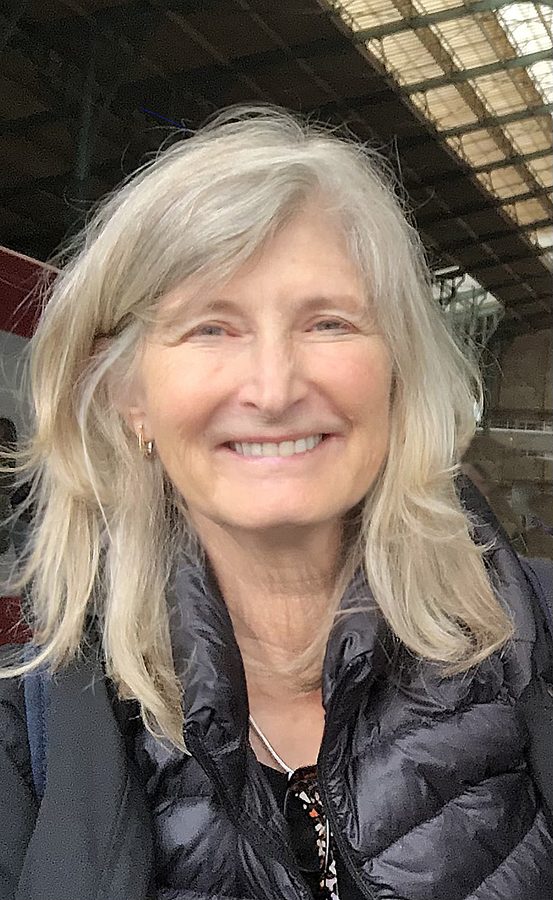
Christine Burrill is an award-winning filmmaker and screenwriter who has traveled the world’s hotspots, from the Amazon jungle to Afghanistan, chasing stories of injustice and women’s rights, always looking for the possibility of healing in the scars of trauma. She was born in Long Beach, California, whose vibrant Cambodian American community inspired her to research their courage in rebuilding their arts after the Khmer Rouge genocide. She is married to her psychiatrist wife and currently lives in Los Angeles, California, and upstate New York.